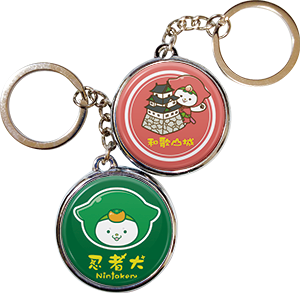
Meet Ume-chan, the red-hooded ninja dog with a warm welcome. Come for the castle; stay for the gardens, local flavours and small discoveries you will share along the way.
From illustrator Wakadanuki’s account of the project.
YOUR RED-HOODED LOCAL FRIEND
Hello, I’m Ume-chan.
A Kishu dog in a ninja outfit, with a plum blossom on her hood: Ume-chan brings together the region’s animals, flavours and stories. Her wish is simple — for visitors to leave saying, “I love Wakayama.”
She is a contemporary character created by illustrator Wakadanuki, not a figure from the castle’s history.
“Say hello if we meet — and let’s make a Wakayama memory!”
Check appearance dates and venues before planning to meet her. Updates and linked activity pages are mainly in Japanese.
A PLACE WITH MANY CHAPTERS
Old stories. A living city.
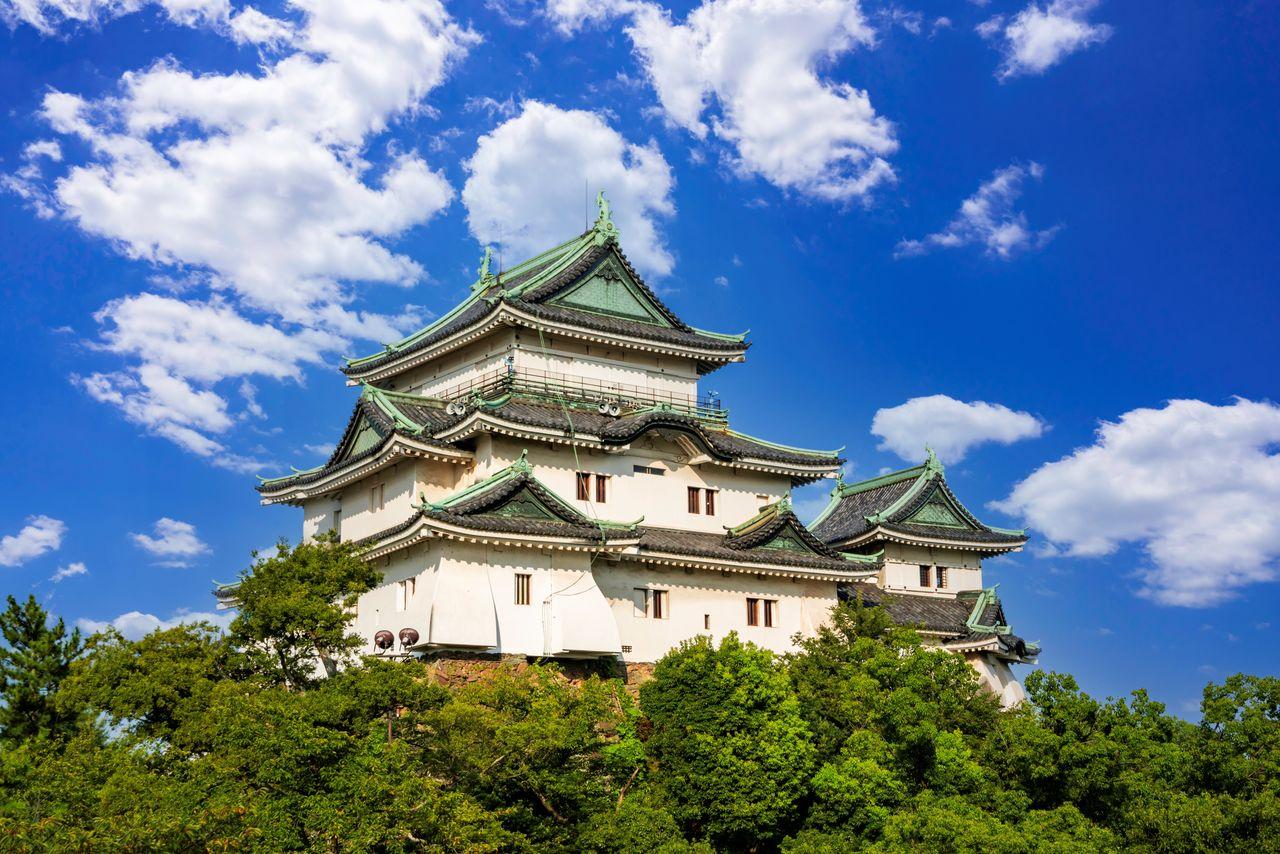
The castle began in 1585, when Toyotomi Hideyoshi ordered its construction. It later became the seat of the Kishu Tokugawa family. The keep you see today was rebuilt in 1958 after its destruction in the Second World War.
For a deeper look, visit the Wakayama Historical Museum. Nearby, Nishinomaru Garden and Ohashi Roka — a covered bridge — offer another perspective on castle life.
The region is linked to Shoninki, an Edo-period text on ninjutsu by Natori Masazumi. Ume-chan is a modern, imaginative way into local culture. The castle’s present-day omotenashi ninja team helps visitors with directions, photographs and assisted access.
Look closely at the stone walls. Can you find two stones that are alike?
RIGHT IN FRONT OF THE KEEP
A pause at Otensu Chaya.
The name comes from otensu, a local word for the castle keep. This tea house serves refreshments and sells local souvenirs — including ninja-dog goods introduced by Ume-chan’s illustrator.
Kishu Nanko-ume udonWheat noodles with a local pickled plum
Udon and beef rice bowls are offered on weekends and public holidays only, with last orders at 15:30. Ask the tea house about ingredients and dietary requirements before ordering.
Kishu is the historic name closely associated with today’s Wakayama. Discover it through fermented flavours, a visit to the makers, and something you create yourself.
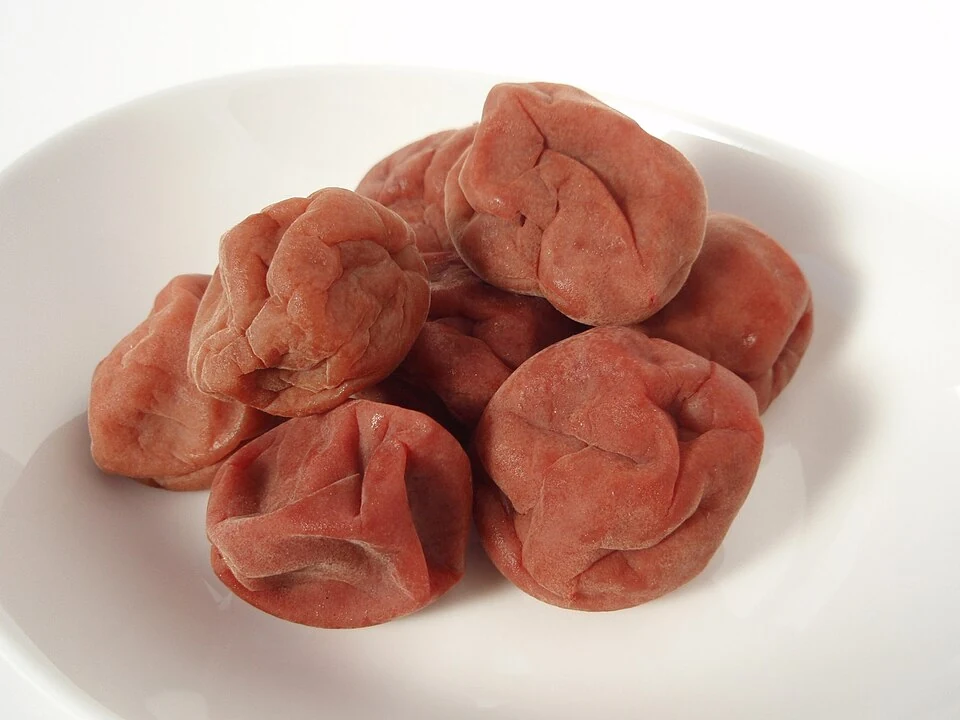
Umeboshi, shown here as a food illustration.
UME · JAPANESE PLUM / APRICOT
Small fruit. A big part of Wakayama.
Umeboshi are salt-pickled ume fruit, often called pickled plums in English. Expect a concentrated, tangy, salty flavour; sweeter varieties also exist. Try a little with plain rice to appreciate the contrast.
Wakayama is Japan’s leading ume-growing prefecture. The prefecture’s 2025 publication reports 60 consecutive years with the country’s largest ume harvest. Its orchards and the knowledge passed between growers make ume a defining part of the region.
The Minabe–Tanabe ume-growing system has been recognised by the FAO as a Globally Important Agricultural Heritage System since 2015 — a living connection between orchards, woodland and local knowledge.
Nihonshu (Japanese sake) is brewed from rice. Umeshu is an ume liqueur — a different drink, often fruitier and sweeter. Wakayama makes both. Regional sake ranges from gentle and mellow to fuller, more aromatic styles.
The legal drinking age in Japan is 20. For adult visitors; do not drink and drive.
YUASA · A SEPARATE EXCURSION
The story behind soy sauce
Visit a soy-sauce brewery in Yuasa, follow the story of fermentation and see how a familiar condiment is made. Combine the visit with a walk through the historic townscape, then choose a bottle to remember the experience.
Learn about Negoro-nuri, then paint a wooden spoon in a local workshop. Work with colour and decoration to make your own keepsake, guided by the craft’s story. Check booking details, materials and participant conditions with the organiser.
Wakayama Castle is in central Wakayama City. All times below are local Japan time; prices are in Japanese yen.
By train from Osaka
From Nankai Namba, take a Southern limited express to Wakayamashi Station (about 60 minutes). The castle is roughly a 15-minute walk from the station, or a short local bus ride.
Wakayamashi and JR Wakayama are different stations. Check the name when choosing a route.
From Kansai Airport (KIX)
One option is Nankai rail via Izumisano to Wakayamashi. Alternatively, take an airport bus to JR Wakayama, then a local bus towards the castle.
Allow for connections and confirm current services before travelling.
Terrain & accessibility
The uphill routes have slopes and stone steps. Choose footwear and a pace that suit your group.
The castle’s ninja support team offers assisted ascent to the square in front of the keep. It does not cover access inside the keep. Contact the team ahead of your visit.
Information checked on 1 November 2026. The keep, garden, bridge and museum normally close from 29 to 31 December. Temporary closures, prices and services can change; check official notices before travelling.
The official castle website also offers automatic translation in English, simplified and traditional Chinese, and Korean through its Language menu, plus multilingual visitor leaflets.
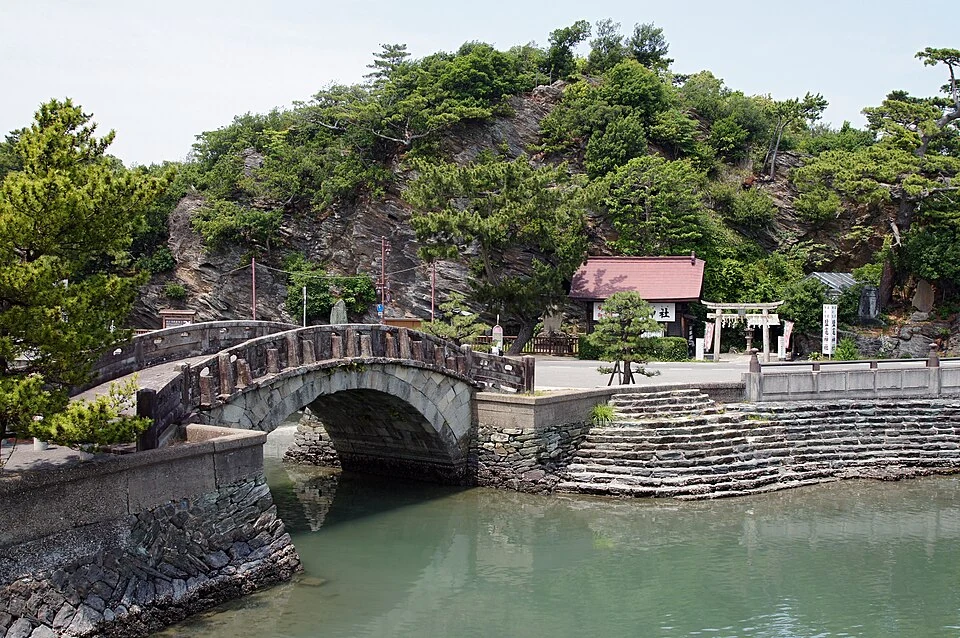
Leave room for another side of Wakayama: the waterside scenery of Wakaura, the brick ruins on Tomogashima, or the food and craft towns further south. These are separate outings, rather than stops on the castle walk.